


Owning a rental property on the Gold Coast comes with its own maintenance considerations. Our warm, humid climate, summer storms and coastal conditions can all take their toll on a property over time.
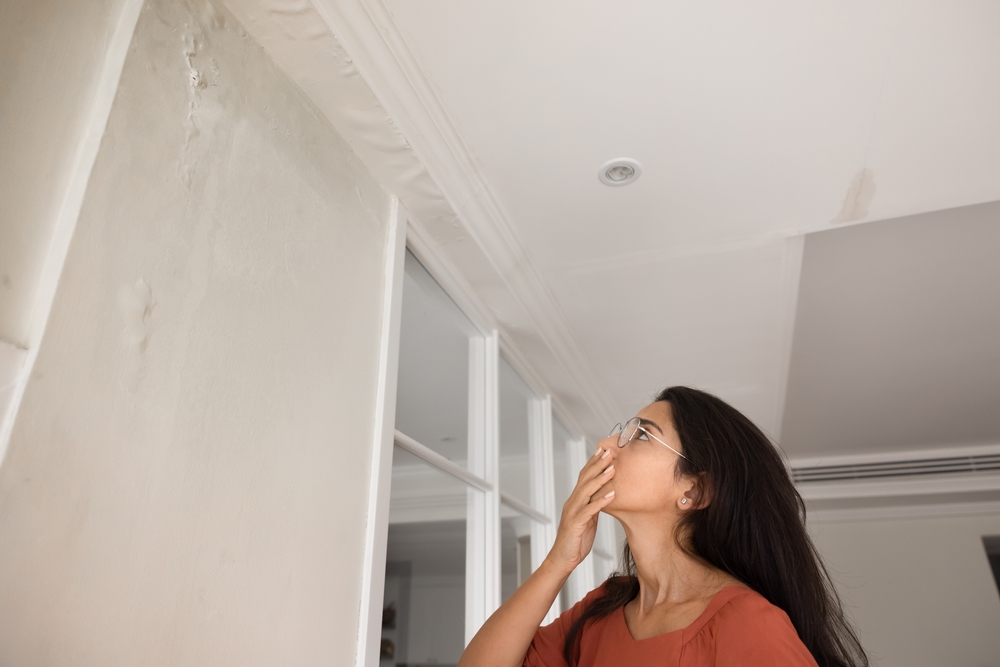
Air conditioners work hard through summer, heavy rain can expose roof and drainage problems, and moisture can contribute to mould if issues aren’t identified early. Properties close to the beach may also experience additional wear from salt air, while houses with gardens, pools and outdoor areas have their own ongoing maintenance needs.
Maintenance is simply part of owning an investment property. It isn’t really a matter of if something will need repairing, but when.
Some Repairs Are Unexpected
Gold Coast landlords know that maintenance doesn’t always happen at a convenient time. An air conditioner might stop working during a summer heatwave, a storm might reveal a roof leak, or a plumbing problem might need attention without warning.
Under Queensland tenancy legislation, certain repairs are classified as emergency repairs and must be dealt with promptly. These can include serious water leaks, dangerous electrical faults, serious roof leaks and issues that make the property unsafe or insecure.
This is why I recommend allowing for a maintenance buffer. You can’t always predict when something will go wrong, but having funds available means you’re in a better position to deal with it when it does.
It can also help avoid delays when a repair needs to be organised, particularly when the issue affects the tenant’s comfort, safety or use of the property.
Staying Ahead of Maintenance on the Gold Coast
The local climate makes it worthwhile to keep an eye on the condition of your property throughout the year, rather than waiting until something breaks.
Before storm season, it’s worth checking that gutters, downpipes and drainage are in good order and addressing any known roof issues. Air conditioners should receive appropriate cleaning and servicing, while signs of dampness, leaks or mould should be investigated rather than simply treated on the surface.
For properties with pools, gardens or extensive outdoor areas, there are additional items to keep on top of. These can include pool equipment, irrigation, fencing, drainage and general wear to outdoor fixtures.
The type and age of the property also matter. An older house may need a different maintenance approach from a newer apartment, and a property close to the coast may experience different wear from one further inland.
Regular inspections and good communication with tenants can help identify problems early. Sometimes a small repair is all that’s needed. Other times, replacing an ageing item may be the more sensible option.
The aim isn’t to spend money unnecessarily. It’s to understand the property’s condition, deal with issues at the right time and make informed decisions about where maintenance money is best spent.
My Advice to Gold Coast Landlords
When budgeting for an investment property, maintenance deserves the same consideration as rates, insurance and other ongoing expenses.
You might go months without needing to spend much, then suddenly face an air conditioner replacement, plumbing repair or storm-related issue. The timing and cost aren’t always easy to predict.
Having some money set aside can make these situations much easier to manage. It gives you more flexibility to organise necessary repairs without the added pressure of having to find the money at the same time.
It’s also worth remembering that delaying maintenance doesn’t necessarily save money. A small issue can sometimes develop into a much bigger problem, particularly when water or moisture is involved.
Looking after a rental property on the Gold Coast means understanding the property itself, being mindful of local conditions and responding when something needs attention.
You can’t prevent every repair, but staying on top of maintenance and being financially prepared can help protect your investment and make ownership a little less stressful.